Designing a stable cardboard floor rack is essential for both functionality and presentation. When considering how to design a stable cardboard floor rack, engineers and designers focus on balance and strength. A properly designed rack enhances product visibility while ensuring safety.
Incorporating lightweight materials is crucial, but it requires careful planning. Too much weight or inadequate support can lead to failure. It's essential to analyze load distribution and structural integrity. Think about the rack's intended use. Will it hold light items or heavy products? This decision impacts your design significantly.
Rethinking common mistakes is beneficial. Many overlook the importance of proper base dimensions. A wider base increases stability but may take up more floor space. Therefore, balancing stability and space efficiency is key. The design process may unveil unexpected challenges that demand creative solutions. Embrace the imperfections; they lead to better outcomes. By focusing on these elements, you can successfully create a reliable cardboard floor rack that meets your needs.
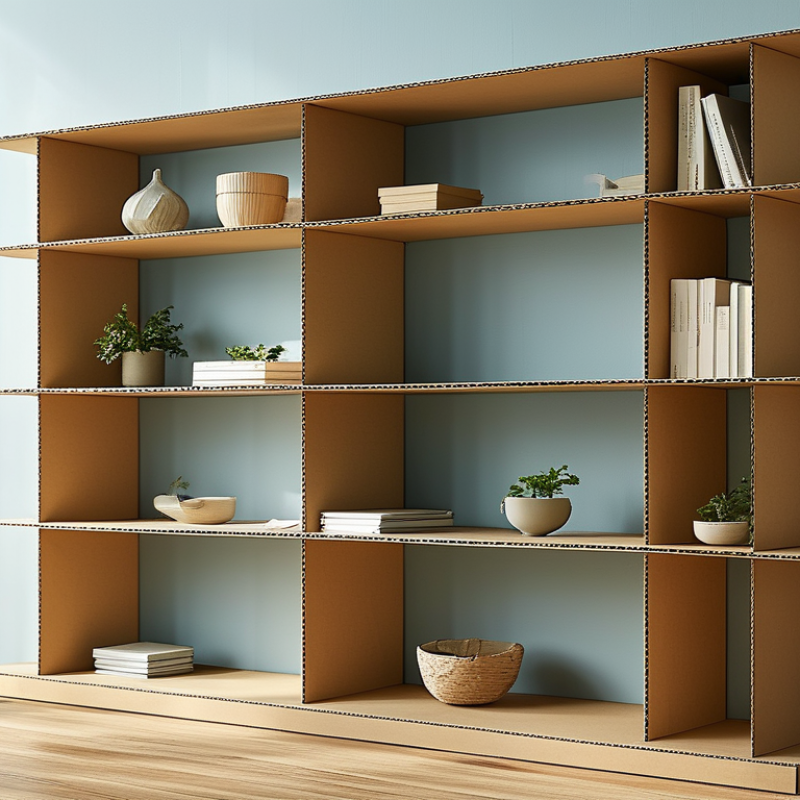
Designing a stable cardboard floor rack requires a deep understanding of its fundamental principles. Cardboard, while lightweight, must support considerable weight without collapsing. Therefore, it’s vital to choose the right materials and construction methods. The type of cardboard affects durability. Rigid, double-walled cardboard often provides more strength than single-walled options. Selecting the right thickness is also essential.
Another crucial aspect is the design itself. A well-structured rack distributes weight evenly. Designers must consider dimensions carefully. Too tall or narrow can lead to instability. Simple triangular bracing can enhance strength. Always think about user interaction. A rack that is too high might pose safety risks. Ensuring accessibility is key to functionality.
Testing is a significant yet often overlooked part of the design process. Prototypes should be rigorously assessed for weight limits. Real-world conditions can reveal weaknesses that aren’t apparent on paper. Smaller adjustments can lead to significant improvements later. Feedback from users can guide design refinements. Embracing imperfections in the prototype might lead to innovative solutions.
| Tip Number | Design Element | Description | Importance |
|---|---|---|---|
| 1 | Material Selection | Choose high-quality cardboard for durability. | High |
| 2 | Weight Distribution | Ensure even weight distribution across the rack. | Critical |
| 3 | Bracing | Use diagonal bracing to improve stability. | High |
| 4 | Size Design | Design optimal dimensions for the intended products. | Moderate |
| 5 | Layer Design | Integrate multiple layers to accommodate various heights. | High |
| 6 | Accessibility | Design for easy access to all products. | Important |
| 7 | Load Testing | Test rack stability under maximum load conditions. | Essential |
| 8 | Color Coding | Use colors for better organization of products. | Moderate |
| 9 | Sustainability | Incorporate eco-friendly materials in design. | High |
| 10 | Assembly Instructions | Provide clear assembly instructions for users. | Important |
: Use double-walled cardboard for better strength. High-quality adhesive is also essential for durability.
A wider base improves stability. Adding reinforcements, like wooden slats, can offer extra support without excessive weight.
Design dimensions carefully. A well-structured rack distributes weight evenly. Avoid making it too tall or narrow.
Testing identifies weaknesses. Real-world conditions reveal issues not visible on paper. Iterative adjustments lead to improvements.
Consider using adjustable shelves. This allows flexibility for various heights and items.
Embrace imperfections. Feedback and iterations often lead to better design solutions over time.
Track changes and testing results. Noting what works or fails is essential for refining your design.
Yes, multiple prototypes help identify the best features. Don’t expect perfection on the first try; learn from each iteration.
Areas may bend or buckle under weight. Identifying these issues early is crucial for design refinement.
Absolutely. User insights can highlight flaws you might miss. Their experiences are valuable for improving your design.
When considering how to design a stable cardboard floor rack, it's essential to understand the fundamental principles of rack design. Selecting the right materials is crucial for ensuring stability and durability, as it directly impacts the rack's ability to hold weight and withstand use over time. Additionally, incorporating weight distribution techniques can enhance support, preventing potential collapses and improving the overall safety of the structure.
Accessibility and user-friendliness are also vital components in designing an effective floor rack. A well-thought-out design should cater to users' needs, making it easy to access and utilize the rack. Finally, testing and iterating your cardboard rack design is necessary to identify any weaknesses and optimize performance. Continuous improvement through feedback and assessment ensures the rack is not only sturdy but also functional for its intended purpose.

 D-Strom Rack