Difference Between Paper Racks and Metal Racks for Buyers?

Time:2026-07-30 Author:Sophia
0%

When considering storage solutions, buyers often face a common question: What is the difference between a paper rack and a metal rack? Understanding these differences can significantly impact your purchasing decision. Paper racks are typically lightweight and designed specifically for holding documents and files. They often come in various colors and styles, making them visually appealing in any office setting.

On the other hand, metal racks are sturdier and capable of supporting heavier loads. They are usually made of steel or aluminum, providing durability. Metal racks are ideal for warehouses or industrial environments where strength is essential.

Both types of racks serve unique purposes. Buyers should weigh the benefits and limitations of each option. For instance, paper racks may lack stability under heavy items, while metal racks may not blend as seamlessly into a cozy office atmosphere. Your choice will depend on specific needs, space, and style preferences. Evaluating these factors carefully can lead to a more informed decision.
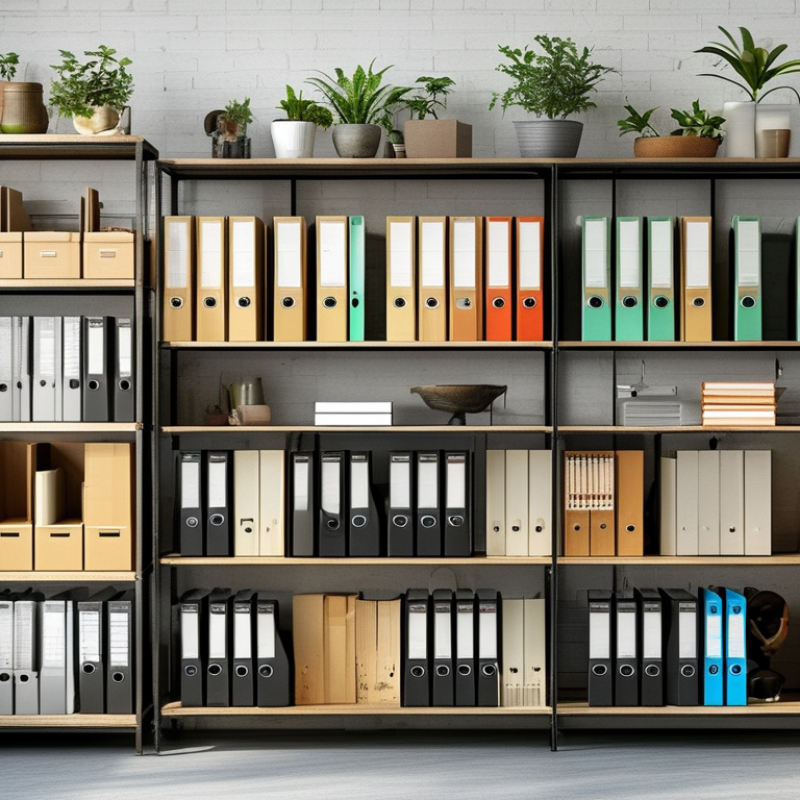
Difference Between Paper Racks and Metal Racks for Buyers?

Understanding Paper Racks: Features and Benefits

Paper racks offer several features that make them an attractive choice for organizing documents. They are lightweight and easy to move. This flexibility allows you to rearrange your workspace effortlessly. Paper racks commonly come in various sizes and designs, catering to different needs. Some have multiple tiers, providing ample storage without taking up much floor space.

The benefit of using a paper rack lies in its ability to keep things tidy. With a dedicated place for documents, you can minimize clutter. This arrangement often boosts productivity, as it is easier to find essential papers quickly. However, there are criticisms about paper racks. Some users find them less durable over time. Their lighter materials may not withstand heavy use, leading to sagging shelves.

Another practical aspect is the cost-effectiveness of paper racks. Generally, they are more affordable compared to metal racks. This factor can be important for budget-conscious buyers. However, if you prioritize durability, it may be worth considering other options. Users should weigh their storage needs against the potential longevity of their choice.

Difference Between Paper Racks and Metal Racks

Exploring Metal Racks: Durability and Strength

Metal racks are gaining popularity for their durability and strength. Industry reports indicate that metal racks can withstand heavier loads compared to paper racks. According to a recent study by the National Institute of Standards and Technology, metal shelving can support over 1,200 pounds per shelf, while paper racks typically hold only about 250 pounds. This makes metal racks an ideal choice for industrial environments.

The versatility of metal racks cannot be overlooked. They come in various designs, accommodating different storage needs. Additionally, metal racks are often resistant to various environmental factors like humidity. A report from the Material Handling Industry of America suggests that 70% of businesses prioritize shelf durability when selecting storage solutions. However, the upfront cost of metal racks can be a drawback. Some may hesitate due to budget constraints.

Maintenance is another area to consider. While metal racks are durable, they may require occasional rust checks or cleaning to ensure longevity. Consumers should weigh the upfront investment against long-term benefits. Selecting the right material for your storage needs can significantly impact efficiency and organization. So, while metal racks excel in strength, buyers must also reflect on costs and maintenance.

Comparative Analysis: Cost-Effectiveness of Paper vs. Metal Racks

When considering the cost-effectiveness of paper racks versus metal racks, it’s essential to understand their unique characteristics. Paper racks are generally lighter and more affordable. They are easy to print on and can serve functional yet stylish purposes. However, they can be less durable. Over time, exposure to moisture can lead to wear and tear. This often requires replacement more frequently than metal options.

On the other hand, metal racks offer strength and longevity. They resist damage from environmental elements, making them suitable in various settings. The initial investment may be higher, but the durability often offsets the cost. Metal racks tend to handle heavier loads without compromising structure. This durability can be a significant factor for businesses with high-volume use.

Each type of rack has its pros and cons. Paper racks work well for temporary displays. But they may lack the sturdiness needed for more permanent solutions. Reflecting on these differences helps buyers make informed choices. Consider long-term needs and budget constraints before deciding.

Design and Aesthetics: Choosing the Right Rack for Your Space

When it comes to choosing between paper racks and metal racks, design and aesthetics play a crucial role. Paper racks often feature softer lines and colors, making them suitable for accommodating various themes. They can seamlessly blend into a cozy home office or a child’s study corner. In contrast, metal racks boast a more industrial look. They convey strength and durability but may not suit every decor style. The choice between these materials impacts the overall ambiance of a room.

Functionality is another aspect to consider. Paper racks can hold lighter loads, making them ideal for files and documents. However, they might struggle with more substantial items. Metal racks, designed for strength, provide durability and support. Yet, their exposed design can sometimes appear harsh. Reflecting on your space’s needs is essential. Are you prioritizing aesthetic charm or robust utility?

Ultimately, the decision rests upon personal style and requirements. An appropriate choice can enhance your environment. Each type of rack offers unique advantages and challenges. The aim should be to achieve a balance that reflects your taste and meets functional demands.

Difference Between Paper Racks and Metal Racks for Buyers

Feature Paper Racks Metal Racks
Material Wood, cardboard, or plastic Steel or aluminum
Durability Less durable, can wear out quickly Highly durable and long-lasting
Weight Capacity Low weight capacity High weight capacity
Design Options Variety of colors and styles Sleek, industrial look
Cost Usually cheaper Generally more expensive
Maintenance Easy to clean, but may wear out Requires occasional polishing for maintenance

Practical Considerations: Weight Capacity and Usage Scenarios

When considering paper racks and metal racks, the weight capacity is a vital aspect. Paper racks are generally lighter and designed to hold standard-sized sheets or documents. They may support less weight compared to metal racks. In contrast, metal racks can handle heavier items, which is crucial for organizational purposes in commercial settings.

Different usage scenarios also play a role. If you need a rack for temporary displays or for light storage in a home office, paper racks might suffice. Metal racks shine in warehouses or manufacturing areas, where durability is essential. They can withstand constant loading and unloading.

Tips: Always evaluate the weight of your items before deciding on a rack type. Consider the space available. A well-organized environment can reduce stress and increase productivity. Remember, even the best racks can fail if overloaded. Assess your needs and don’t rush the decision.

FAQS

: What are the main features of paper racks?

: Paper racks are lightweight, easy to move, and come in various sizes and designs.

Why should I use a paper rack?

They help minimize clutter and improve productivity by providing a dedicated space for documents.

Are paper racks durable?

Some users find them less durable over time, especially with heavy use.

How do paper racks compare in cost to metal racks?

Paper racks are generally more affordable, making them a good choice for budget-conscious buyers.

Can paper racks fit into any decor style?

Yes, they have softer lines and colors that blend well with different themes and styles.

What should I consider when choosing between paper and metal racks?

Think about the balance between aesthetics and functionality based on your specific storage needs.

What loads can paper racks support?

They are ideal for lighter loads like files and documents but struggle with heavier items.

Do paper racks enhance a workspace's ambiance?

Yes, they can add charm while keeping your workspace organized and tidy.

Are there any downsides to using a paper rack?

They may not withstand heavy usage well, leading to issues like sagging shelves over time.

How important is personal style in choosing a rack?

It is crucial. The right choice should reflect your taste while meeting your practical needs.

Conclusion

When considering storage solutions, a common question arises: "What is the difference between a paper rack and a metal rack?" Paper racks are typically lightweight and designed for specific organizational needs, offering features such as portability and a variety of sizes. They are ideal for environments where flexibility and ease of movement are essential. In contrast, metal racks are celebrated for their durability and strength, making them suitable for heavy-duty storage.

In a comparative analysis, the cost-effectiveness of paper versus metal racks may vary based on the user's needs and the intended usage scenario. While paper racks may be more budget-friendly, metal racks provide long-lasting support and can hold greater weight capacities. Additionally, design and aesthetics play a crucial role in selection, as users should consider which option best complements their space while fulfilling functional requirements. Overall, the choice between paper and metal racks largely depends on individual priorities such as cost, durability, and design preferences.

Sophia

Sophia

Sophia is a dedicated marketing professional with an exceptional depth of knowledge about her company's products and services. With a keen understanding of market trends and customer needs, she crafts insightful blog posts that not only inform but also engage readers, enriching the company’s online......