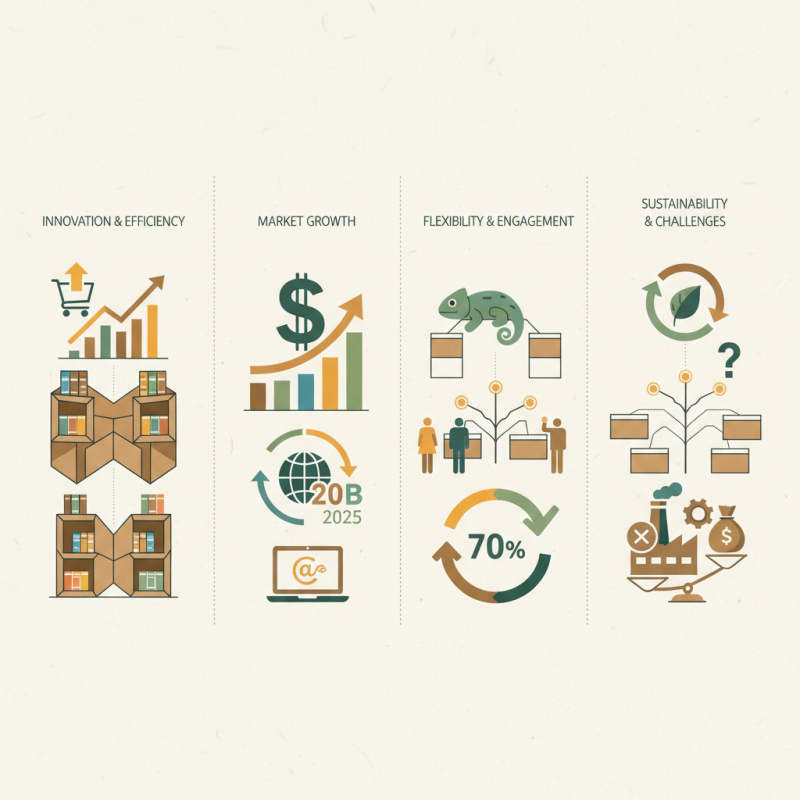
In recent years, businesses have sought innovative solutions for efficient product display. This is why modular cardboard racks are trending. Industry reports indicate that the global market for retail merchandising displays is projected to grow significantly, reaching $20 billion by 2025. This surge is driven partly by the rise of e-commerce, which demands engaging in-store experiences.
Modular cardboard racks offer flexibility and customization. They can easily adapt to various product sizes and store layouts. A recent survey by the Retail Design Institute revealed that 70% of retailers believe modular displays enhance customer engagement. However, the environmental impact of production and disposal raises concerns. Many companies are exploring sustainable materials but face challenges in maintaining cost-effectiveness.
As retailers prioritize aesthetics and functionality, the demand for modular solutions expands. Yet, the balance between innovation and sustainability remains a critical issue. Businesses must address these challenges to fully leverage the benefits of modular cardboard racks.
The rise of modular cardboard racks in retail environments is reshaping how products are displayed. These racks are lightweight and versatile. Retailers find them easy to set up and rearrange. They can change store layouts quickly, responding to customer trends. This adaptability helps maximize sales opportunities.
Moreover, these racks are eco-friendly. Made from recyclable materials, they contribute to sustainable retail practices. Many shoppers appreciate brands that prioritize the environment. Retailers can enhance their image while meeting consumer expectations. Yet, some retailers worry about durability. Cardboard may not withstand heavy products for long. This concern prompts thoughtful consideration about the right usage.
In addition, modular cardboard racks can be customized. Colors and designs can align with branding. However, some designs may lack sturdiness. Balancing aesthetics and functionality is essential. Retailers must reflect on their specific needs. Choosing the right materials and structure is crucial. Ultimately, these racks are transforming retail spaces, but they also raise important questions.
Modular cardboard racks are gaining traction in various sectors. They offer practical solutions for space management. These racks are lightweight yet sturdy, making them easy to transport and set up. Businesses can easily customize them to fit specific needs. This flexibility allows for effective organization in retail and warehouses.
One significant advantage is cost-effectiveness. Cardboard racks are generally more affordable than traditional shelving. They reduce overhead costs, benefiting startups and established businesses alike. Some users, however, may be concerned about their durability over time. While many racks are designed for long-term use, they may not withstand heavy items as well as metal alternatives.
Sustainability is another crucial factor. These racks are made from recycled materials and can be recycled again. This aligns with the growing demand for eco-friendly practices. Some businesses might find it challenging to transition to cardboard. They may need time to adjust to new methods. Overall, modular cardboard racks present excellent opportunities, though they come with considerations that require attention.
Modular cardboard racks are gaining traction for various reasons, particularly their sustainability. Made from recycled materials, these racks significantly reduce the carbon footprint compared to traditional display solutions. Every piece of cardboard used can often be repurposed or recycled again, promoting a circular economy. The lightweight nature of cardboard also contributes to easier transport, resulting in lower emissions during shipping.
The eco-friendliness of these racks extends beyond materials. They are often produced using less energy than plastic or metal alternatives. However, they may not be as durable, requiring businesses to rethink their display strategies. There is a trade-off between sustainability and longevity, which can lead to questions about performance in high-traffic environments. Businesses need to evaluate their specific needs and find a balance that maintains both eco-friendliness and effective display solutions.
This trend reflects a growing awareness of environmental impact. Consumers are drawn to brands that align with their eco-conscious values. Yet, companies must also address potential pitfalls, like the possible fragility of cardboard racks. It’s essential to continuously reassess the effectiveness and practicality of these eco-friendly options in various settings.
Modular cardboard racks are gaining popularity due to their exceptional customization options. Businesses can tailor these racks to fit unique spaces. For example, adjustable shelves allow various product sizes. This adaptability enhances the overall shopping experience.
Customization extends to color and design. Brands can choose colors that reflect their identity. Unique designs can also attract customers. This flexibility empowers businesses to stand out in a competitive market.
Tips: Consider your target audience when customizing. The right aesthetic can boost customer engagement. Also, plan for scalability. As your inventory changes, your modular rack should evolve too. Keep usability in mind to ensure easy assembly and adjustments.
| Customization Option | Description | Benefits | Industry Usage |
|---|---|---|---|
| Size Variability | Available in multiple sizes to fit different products. | Maximized space utilization, tailored fit for products. | Retail, Warehousing |
| Graphic Printing | Custom branding and product images can be printed on racks. | Enhanced brand visibility, marketing opportunities. | E-commerce, Grocery Stores |
| Modular Design | Interchangeable components for easy assembly. | Flexibility in design, easy to reconfigure as needed. | Exhibitions, Pop-up Shops |
| Sustainability Options | Use of recycled materials for eco-friendliness. | Reduced environmental footprint, aligns with green initiatives. | Consumer Goods, Electronics |
| Color Options | Available in various colors to match store themes. | Improved aesthetic appeal, better integration into display settings. | Fashion Retail, Home Decor |
The rising popularity of modular cardboard racks can be attributed to several key trends shaping the retail landscape. According to a recent report by Smithers Pira, the global market for cardboard displays is expected to reach over $23 billion by 2026. This growth highlights a shift in consumer preferences. Sustainability is at the forefront. Shoppers increasingly favor eco-friendly packaging solutions, aligning with the rise in sustainable consumerism.
Another driver is the flexibility that modular designs offer. These racks can be easily customized to fit various retail spaces. Businesses can adapt them to changing inventory and consumer demands. Research shows that retailers using modular systems improve product visibility, enhancing buyer engagement. Studies reveal that effective product placement can increase sales by up to 30%.
Moreover, the convenience of assembly and disassembly adds appeal. Modular racks require less storage space, which is crucial in urban areas where real estate is costly. Yet, challenges remain. Not all cardboard materials are created equal. Brands must ensure durability and structural integrity. The challenge lies in balancing sustainability with functionality. As the market evolves, businesses must continue to innovate. The journey towards fully optimized, sustainable retail solutions is ongoing.
: They are lightweight, versatile racks used to display products in retail environments.
They allow quick store layout changes, maximizing sales opportunities based on customer trends.
Yes, they are made from recyclable materials, contributing to sustainable retail practices.
Absolutely! Businesses can choose colors and designs to align with their branding.
Some retailers worry about cardboard not holding heavy products for long periods effectively.
They are generally more affordable than traditional shelving, reducing overhead costs for businesses.
Adjustable shelves for different product sizes and unique designs attract more customers.
Reflect on needs for durability and usability to avoid frustration with assembly and adjustments.
Some may need time to adjust to new methods, which can be challenging but beneficial.
Inventory changes mean racks should evolve, ensuring effective organization and display.
Modular cardboard racks are gaining significant traction in retail environments, and this trend can be attributed to various factors. Businesses are increasingly recognizing the benefits these racks offer, including cost-effectiveness and versatility, which allow them to adapt layouts based on changing inventory needs. Furthermore, the sustainability and eco-friendliness of cardboard as a material resonate with modern consumers who prioritize environmental responsibility.
Customization options available for modular cardboard racks also enhance their appeal, enabling businesses to create eye-catching displays that align with their branding. Additionally, current trends such as minimalism and eco-conscious shopping behaviors are driving the popularity of these racks. In summary, understanding "why modular cardboard racks are trending" reveals a confluence of economic, ecological, and aesthetic factors that make them an attractive solution for retail spaces.

D-Strom Rack