In the bustling world of retail, maintaining order is essential. When placing a cardboard rack in high-traffic areas, stability must be prioritized. Customers tend to move quickly, making it crucial to keep displays secure and visually appealing. This article will explore how to secure a cardboard rack in high-traffic areas, ensuring safety and enhancing customer experience.
Consider the various elements that contribute to securing a rack. Weight distribution is key; using heavier items at the base can create a more stable structure. Additionally, the placement of the rack affects its vulnerability. An often overlooked aspect is the need for proper positioning away from pathways to reduce accidental bumps.
Lastly, regular checks are necessary to maintain security. Is the rack still stable? Are products falling or getting disorganized? Reflecting on these questions can lead to improvements. In high-traffic zones, vigilance and proactive adjustments can turn a simple cardboard display into a reliable marketing tool.
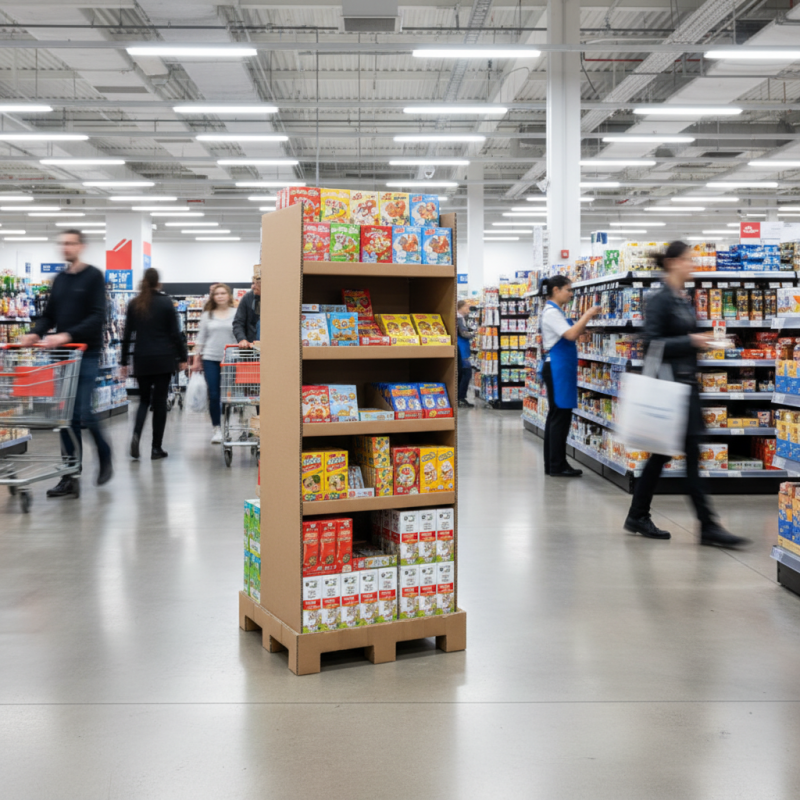
Identifying high traffic areas for cardboard racks is crucial for maximizing visibility. Retail environments, particularly grocery and convenience stores, often host these areas. Research indicates that about 70% of purchasing decisions happen at the point of sale. Select spots near checkout lines or at the end of aisles; these locations capture attention.
Consider foot traffic patterns. Data from the National Retail Federation suggests that stores can see a 30% increase in sales by placing racks in high-traffic zones. Observing customer behavior can provide insights. If shoppers frequently pause or linger, it's worth evaluating these spots. However, placing racks too close may lead to congestion. Balancing visibility and flow is essential.
Also, note seasonal trends when assessing these areas. Busy holiday seasons can shift traffic dynamics. A study highlighted that shoppers spend 25% more during peak seasons. Keep track of these shifts, adjust the rack's location accordingly, and adapt your strategy over time. A detailed approach can yield better results, but not every placement will succeed. Regular assessment is key to maintaining effectiveness.
When it comes to securing a cardboard rack in high traffic areas, assessing its structural stability is paramount. Cardboard racks are lightweight, but they need proper support. Without a solid base, they can easily topple over. A thorough inspection should include checking for any signs of wear or damage. Look for bent edges or tears that might compromise strength.
Tips: Use straps or weights to anchor the base of the rack. This can significantly enhance stability. Additionally, avoid placing heavy items on top. Distributing weight evenly across shelves ensures that the rack remains balanced.
Consider the environment around your rack. High traffic areas may have sudden bumps or pushes. Ensure the rack is positioned in a less crowded space if possible. You might need to adapt the design to accommodate these challenges. It’s crucial to reflect on the layout and flow of foot traffic. Small adjustments can make a big difference in overall safety.
This bar chart illustrates the various factors contributing to the structural stability of cardboard racks in high traffic areas. The data reflects weight load capacity, wind resistance, impact resistance, stability rating, and material quality. Ensuring proper stability involves a careful assessment of these factors to prevent accidents and enhance durability.
Securing a cardboard rack in high-traffic areas is crucial for safety and efficiency. Utilizing anchor systems can greatly enhance stability. These systems provide the necessary strength to withstand unexpected movements. Proper anchoring prevents the rack from tipping over, especially in crowded spaces.
Anchor points should be carefully selected. Strong materials, such as steel plates or heavy-duty brackets, work well. They should be attached to stable surfaces, ensuring the rack remains upright. Regular checks are essential. Over time, wear and tear can weaken the anchors, increasing the risk of accidents.
A visual inspection often reveals overlooked issues. Sometimes, an anchor may seem secure but lacks true stability. It's vital to reassess frequently. Listening to team feedback helps identify precarious setups. Collaboration fosters a safer environment for everyone involved.
| Anchor System Type | Weight Capacity (lbs) | Installation Difficulty | Ideal Usage Area | Average Cost ($) |
|---|---|---|---|---|
| Wall-Mounted Anchors | 150 | Medium | Indoor Retail Spaces | 50 |
| Floor Anchors | 200 | High | Warehouse and Storage | 75 |
| Heavy-Duty Straps | 100 | Low | Outdoor Events | 30 |
| Weighted Base | 250 | Medium | Trade Shows | 120 |
In high traffic areas, securing a cardboard rack is essential for safety and stability. One of the most effective methods is employing weight distribution techniques. By evenly spreading the weight across the rack, you can significantly enhance its balance and reduce the risk of tipping over. For instance, placing heavier items at the bottom of the rack allows for a sturdy base, while lighter items can be positioned on higher shelves. This simple strategy can make a big difference.
Be mindful of the materials used. The weight of the cardboard itself affects stability. Thick, sturdy cardboard can hold more weight without bending or collapsing. It’s crucial to regularly check the condition of the rack. Over time, wear and tear can impact its performance. If you notice any damage, it may require reinforcement or replacement. Regular assessments help maintain safety and ensure the display remains effective in a bustling environment.
Improper placement can lead to accidents. Even with perfect weight distribution, a poorly positioned rack can invite trouble. Consider traffic flow and sightlines when placing racks. A crowded area can overwhelm a display that isn't anchored correctly. Reflection on your setup ensures effective functioning and safety in high-traffic spaces.
In busy environments, securing a cardboard rack is crucial. Safety signage plays a vital role here. Proper signage ensures that both staff and customers remain aware of the rack's presence. Clear, visible signs can minimize accidents and protect the integrity of the display. Use bold colors and simple, direct language to convey safety messages effectively.
Barrier options are another effective way to enhance security. Sometimes, though, barriers can obstruct foot traffic if not placed thoughtfully. Utilize lightweight materials that are easy to move. This flexibility enables you to adapt to changing foot traffic patterns. It’s essential to strike a balance between visibility and accessibility. As people navigate through busy spaces, unobtrusive setups can still garner attention.
Regularly evaluate your signage and barriers for effectiveness. Are they contributing to safety? Or are they getting overlooked? Gather feedback from employees and customers to make improvements. Adjustments may be necessary as foot traffic dynamics shift. Implementing a thoughtful strategy goes a long way in maintaining safety around cardboard racks.
: Structural stability is crucial because it prevents the racks from toppling over in high traffic areas.
Use straps or weights to anchor the base. This can significantly improve stability.
Heavier items should be avoided on top to prevent tipping. Distribute weight evenly across shelves.
High traffic areas can cause sudden bumps. Position racks in less crowded spaces for better safety.
Employ weight distribution techniques by placing heavier items at the bottom and lighter ones higher.
Regular checks are essential. Wear and tear can impact performance and safety over time.
Safety signage informs staff and customers, reducing accidents and maintaining display integrity.
Barriers can enhance security, but poorly placed ones may obstruct foot traffic. Use flexible materials.
Gather feedback to evaluate effectiveness. Adjustments may be necessary to improve visibility and safety.
Reflect on traffic flow and visibility. Small changes can significantly enhance safety and functionality.
To effectively address the question of how to secure a cardboard rack in high-traffic areas, it is crucial to first identify the specific locations where foot traffic is most concentrated. These areas pose unique challenges that can affect the stability of the racks. Once identified, assessing the structural integrity of the racks is vital to ensure they can withstand the dynamics of a busy environment.
Implementing anchor systems can greatly enhance stability, while employing weight distribution techniques will help in balancing the racks effectively. Additionally, incorporating safety signage and barrier options not only improves visibility but also helps to safeguard both customers and the integrity of the racks. By following these guidelines, one can significantly reduce the risks associated with high-traffic areas and ensure the secure placement of cardboard racks.

D-Strom Rack