How to Ship Paper Racks Flat to Reduce Shipping Costs?

Time:2026-08-24 Author:Aria
0%

Shipping paper racks in a cost-effective manner can significantly improve your bottom line. Companies often face challenges when determining the best shipping methods. Understanding how to ship paper racks flat to save cost is crucial.

When transporting paper racks, traditional shipping methods may lead to high costs due to their volume. By shipping them flat, businesses can minimize shipping fees. This technique not only reduces the space required during transit, but also protects the racks from damage.

Choosing the right materials for flat shipping can be a challenge. You may need to experiment with different packaging strategies. However, the potential cost savings make this worthwhile. Finding the balance between cost and quality is essential. Thoughtful planning and execution can lead to significant benefits in your shipping process.
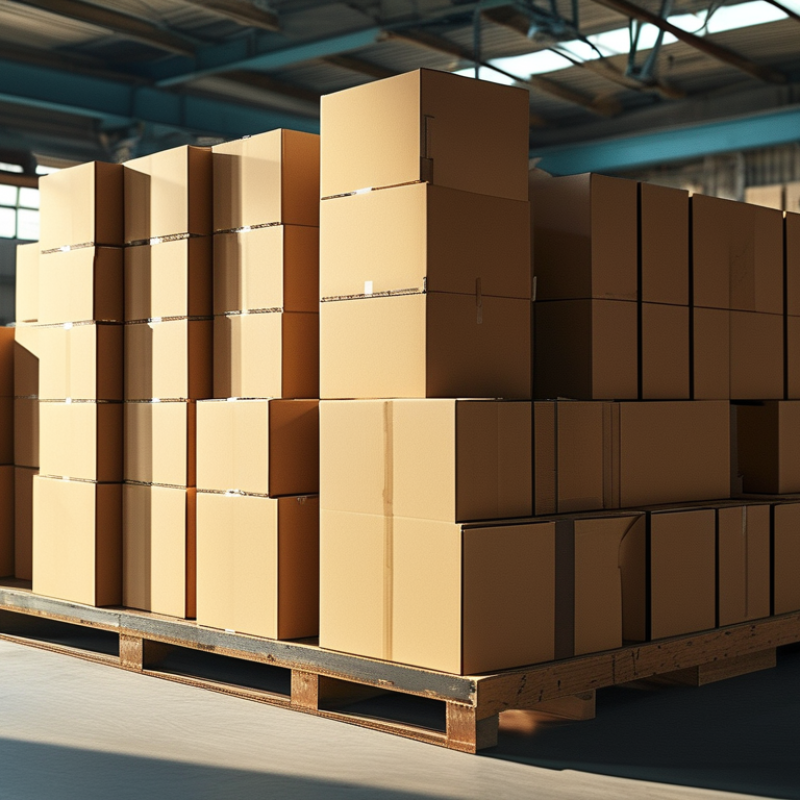
How to Ship Paper Racks Flat to Reduce Shipping Costs?

Understanding the Basics of Flat Shipping for Paper Racks

Flat shipping is an effective way to reduce costs when sending paper racks. Understanding the basics of flat shipping allows businesses to streamline their logistics. When paper racks are shipped flat, they occupy less space. This, in turn, lowers shipping fees significantly. Many companies overlook this method, often leading to unnecessary expenses.

One key aspect of flat shipping is the design of the paper racks themselves. Consider using collapsible or foldable designs. These designs allow for easier stacking and transportation. By modifying your product, you can easily fit more units into a shipping container. It’s worth revisiting your current design for potential improvements.

Another tip involves packaging materials. Using light but sturdy materials can protect your racks during transport while keeping costs low. Recycle cardboard or lightweight plastic to minimize weight. Research eco-friendly options to enhance your brand's image. Sometimes, manufacturers focus only on cost savings without considering the environmental impact.

Pre-planning your shipping route is essential. Analyze various carriers and their flat shipping options. Different carriers may offer variable rates based on location and size. Take time to assess your logistics. This effort can lead to better pricing and efficient delivery times. Remember, every detail counts in the shipping process, and there’s always room for improvement.

Benefits of Shipping Paper Racks Flat to Cut Costs

Shipping paper racks flat is a strategy that significantly reduces shipping costs. According to industry reports, up to 30% of shipping expenses can be attributed to the volume and weight of products. By opting to ship these racks in a flat, disassembled state, companies can optimize space and reduce the dimensional weight calculations used by carriers. This approach not only cuts down costs but also allows for more efficient loading and transportation.

Additionally, shipping flat can positively impact environmental sustainability. A study by the EPA highlights that reducing shipment weight and volume can lower greenhouse gas emissions by up to 25%. Companies that adopt this practice demonstrate a commitment to eco-friendly operations while enjoying financial benefits. However, some may argue that the assembly process may lead to increased labor costs. Balancing these factors is crucial to determine if flat shipping is the best approach.

The reliability of flat shipping can also vary by product type. Some designs may complicate packaging during transport. Hence, investing in proper packaging solutions is essential to avoid damage during transit. Flat packing can lead to lower return rates and enhanced customer satisfaction, provided that the assembly experience is user-friendly. Adapting to this method can require a change in logistics, but the potential savings and environmental benefits are compelling.

How to Ship Paper Racks Flat to Reduce Shipping Costs? - Benefits of Shipping Paper Racks Flat to Cut Costs

Dimension Value
Standard Rack Height 72 inches
Standard Rack Width 36 inches
Flat Shipping Height 4 inches
Space Savings in Shipping Up to 60%
Reduced Shipping Costs 20-30% less
Increased Load Efficiency 25% more units per shipment

Key Considerations for Designing Flat-Shippable Paper Racks

Designing flat-shippable paper racks requires careful thought and planning. Start by considering the materials used. Lightweight yet durable materials can significantly lower shipping costs. Corrugated cardboard is a solid choice. It effectively protects the product during transit while remaining cost-efficient.

Next, focus on the design's complexity. Simplicity plays a crucial role here. A minimalist design not only reduces manufacturing costs but also streamlines the assembly process. Consider incorporating interlocking components to minimize the need for adhesives. This approach can lead to faster assembly times, but be aware that complexity can sometimes slow production. Balancing ease of shipping with functional design is critical.

Lastly, test your prototypes thoroughly. Gather feedback from potential users. This step often uncovers unforeseen challenges. Be open to making adjustments based on real-world use. Iteration is part of successful product development. Always ask, “How can this be improved?” The goal is to create a paper rack that is both practical and cost-effective for shipping. Your final design should reflect a commitment to efficiency as well as user needs.

Efficient Packaging Techniques for Flat Paper Rack Shipping

Shipping paper racks flat is a great way to cut down on costs. Efficient packaging techniques can significantly reduce the shipping volume and weight. According to the Material Handling Industry of America, optimizing packaging can lower shipping expenses by up to 20%. When flat, items take up less space, allowing for more efficient use of container space.

Consider using interlocking designs. This method minimizes movement during transit. Flat packing also reduces the number of boxes needed, which can help streamline supply chains. After all, fewer boxes can mean fewer materials required for packing. Ensure that the flat packs are sturdy enough to withstand stacking. This is crucial for maintaining product integrity.

Use void fill materials wisely. Air pillows or biodegradable packing peanuts can prevent items from shifting without adding bulk. Choose the right materials to balance protection and weight. Light, strong materials can keep costs low while safeguarding your products. It’s important to assess different techniques regularly. Sometimes, what worked before may need improvement to adapt to new logistics challenges.

Shipping Costs Comparison for Flat vs. Standard Paper Racks

Common Challenges and Solutions in Flat Paper Rack Shipping

Shipping paper racks flat can significantly lower transportation costs. However, this process comes with its own set of challenges. One common issue is ensuring the racks remain intact during shipment. A flat design often means the materials may be more vulnerable to damage. Proper packaging becomes crucial. Utilizing protective materials, such as foam or bubble wrap, adds an extra layer of security.

Another challenge is the assembly efficiency post-delivery. Flat packaging can confuse workers who are assembling the racks. Clear instructions can mitigate this confusion. Including visual guides can help. It’s also essential to avoid overcomplicating the assembly process. Simple, straightforward instructions lead to better outcomes.

Lastly, communication with shipping partners is vital. Misunderstandings can lead to delays or increased costs. Establishing a clear shipping protocol is important. Sharing best practices with logistics teams can lead to smoother operations. Reflections on these challenges can reveal areas for improvement. Sometimes, the perfect solution isn't immediately clear. Being open to feedback can guide future shipping methods.

FAQS

: What is flat shipping for paper racks?

: Flat shipping involves sending paper racks in a disassembled state. This method saves space and reduces shipping costs.

How does flat shipping save costs?

Shipping paper racks flat reduces volume and weight, thus cutting shipping fees. Companies can save up to 30% on expenses.

What design should paper racks have for flat shipping?

Using collapsible or foldable designs is beneficial. These designs allow for easier stacking and efficient transportation.

What packaging materials are ideal for flat shipping?

Light yet sturdy materials work well. Consider using recycled cardboard or lightweight plastic to protect racks and minimize weight.

How can shipping routes affect flat shipping?

Pre-planning routes is crucial. Analyzing different carriers can help identify better pricing and improve overall delivery efficiency.

Are there environmental benefits to flat shipping?

Yes, shipping flat can lower greenhouse gas emissions by up to 25%. This practice shows commitment to sustainability and can enhance brand image.

What challenges might arise with flat shipping?

The assembly process can increase labor costs. Additionally, complex designs might complicate packaging and lead to potential damage during transport.

How does customer satisfaction relate to flat shipping?

A user-friendly assembly experience can enhance customer satisfaction. If managed well, flat shipping can reduce return rates.

Is it worth redesigning paper racks for flat shipping?

Yes, reconsidering designs may lead to potential improvements. Modifications can optimize space and reduce shipping costs significantly.

What should companies consider before adopting flat shipping?

Balancing labor costs with potential savings is key. Companies should evaluate logistics changes and the impact on customer experience.

Conclusion

Shipping paper racks flat is an effective strategy for reducing transportation costs while maintaining efficiency. Understanding the basics of flat shipping for paper racks involves recognizing the advantages this method offers, such as lower shipping fees and optimized space utilization. To maximize these benefits, it's crucial to design paper racks that can be easily assembled once received and to employ efficient packaging techniques that protect the product during transit.

When exploring how to ship paper racks flat to save cost, businesses must also consider key design aspects that enhance the flat-shippable features without compromising on quality. Common challenges, such as ensuring structural integrity and handling logistics, can be addressed through innovative solutions that streamline the process. By implementing these strategies, companies can effectively reduce their shipping costs while delivering products that meet customer expectations.

Aria

Aria

Aria is a dedicated marketing professional with a deep passion for innovative strategies and a keen understanding of our company's product offerings. With a wealth of experience in the industry, Aria excels at crafting engaging content that highlights the unique features and benefits of our......